
Understanding Restaurant POS System Costs
Have you ever felt the weight of balancing creativity in the kitchen with the endless demands of managing a restaurant? When passion meets the complexities of daily operations, finding the right tools to simplify and streamline can make all the difference.
Brilliant POS offers top-of-the-line POS for Restaurants, designed to streamline operations and enhance customer service. Our advanced systems are tailored to meet the unique needs of the restaurant industry, helping you manage orders, payments, and inventory effortlessly. Along with cutting-edge Restaurant POS Software, Brilliant POS provides an intuitive, easy-to-use platform that integrates seamlessly into your business. With our solutions, you can improve efficiency, reduce errors, and ultimately boost your restaurant’s profitability. Let Brilliant POS elevate your dining experience today!
Running a successful dining establishment requires more than just great food and service. It’s about managing operations efficiently. A key tool for this is an integrated solution that combines hardware and software to streamline tasks like ordering, payments, and inventory tracking.
Understanding the expenses involved is crucial for making informed decisions. These costs can vary widely, depending on factors like hardware, software licensing, and ongoing support. Whether you choose an upfront purchase or a subscription model, each option has its own financial implications.
Scalability and operational efficiency are also important considerations. Investing in the right solution can help you grow your business while keeping costs manageable. This guide will break down all the elements you need to consider, helping you make the best choice for your needs.
Understanding Your Restaurant’s POS Needs
Efficient management starts with identifying the right tools for your business. A modern solution combines hardware and software to handle tasks like order entry, inventory tracking, and payment processing. Clarifying your operational needs is crucial before making any decisions.
Software plays a key role in streamlining daily tasks. It simplifies order management, enhances customer relationships, and integrates with kitchen display systems. These features not only save time but also improve accuracy, reducing errors in your workflow.
When evaluating options, consider how payment processing fees and subscription models impact your budget. Monthly fees and transaction costs can add up, so it’s important to choose a plan that aligns with your transaction volume and business size.
Assessing your specific needs is essential. For example, a small establishment may not require advanced features, while a larger one might benefit from tools like online ordering or loyalty programs. Balancing cost with functionality ensures you get the best value for your investment.
By understanding these factors, you’ll be better prepared to analyze cost components in detail. This approach helps you make an informed decision that supports your business growth and operational efficiency.
Restaurant POS System Cost Breakdown
Breaking down expenses helps you make smarter decisions for your business. Understanding the cost structure of your operational tools ensures you’re prepared for both upfront and recurring expenses.
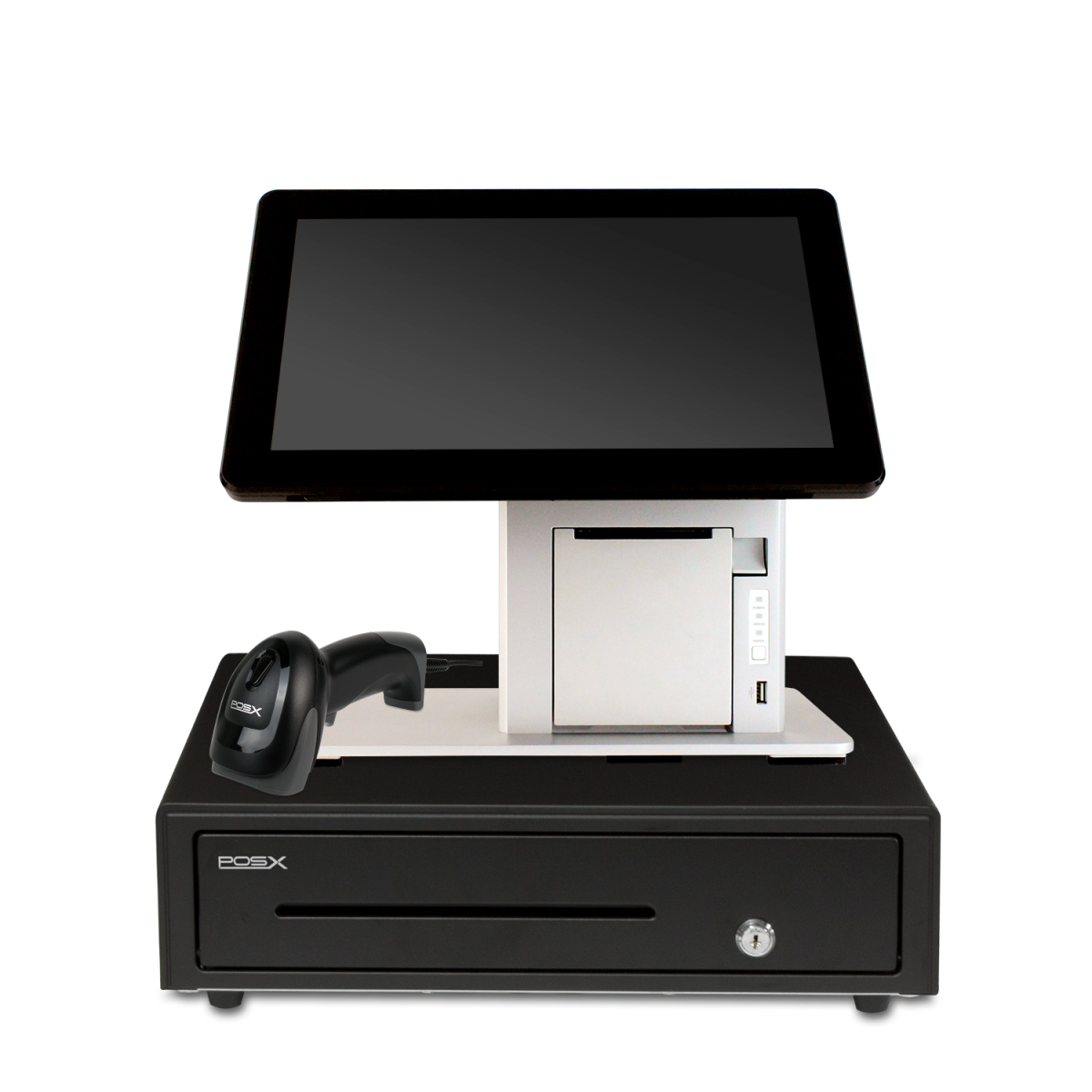
Initial investments in hardware include terminals, cash drawers, printers, and card readers. These items are essential for day-to-day operations and can range from $150 for a basic cash drawer to $1,000 for a high-quality terminal. Choosing the right equipment depends on your specific needs and transaction volume.
Recurring costs often come from software subscriptions and monthly support fees. These fees ensure your tools stay updated and reliable. Basic plans start at $69 per month, while advanced options can exceed $300. Evaluating your business size and needs helps you avoid overspending on unnecessary features.
Added functionalities like tableside ordering or self-service kiosks can enhance the customer experience but may increase costs. For example, handheld terminals for tableside ordering can cost around $600 each. Balancing these features with your budget is key to maximizing value.
Your sale volume and transaction frequency also play a role in cost-effectiveness. Higher transaction volumes may lead to increased processing fees, typically ranging from 1.5% to 3.5% per transaction. Choosing a plan that aligns with your business activity helps minimize these expenses.
Finally, don’t overlook hidden costs like setup fees or data conversion charges. These can add up quickly, so it’s important to ask providers for a detailed breakdown before committing. By understanding all cost components, you can make informed decisions that support your business growth.

Pricing Models and Payment Structures
Choosing the right pricing model can significantly impact your operational efficiency. Whether you opt for an upfront purchase or a monthly subscription, each approach has its own benefits and drawbacks. Understanding these options helps you align your payment structure with your business goals.
Upfront payments require a larger initial investment but eliminate recurring fees. This model is ideal if you prefer long-term cost predictability. On the other hand, monthly subscriptions spread expenses over time, making them more manageable for smaller budgets. However, they often include processing fees that can add up with higher transaction volumes.
Cloud-based solutions offer flexibility and scalability, allowing you to access data from anywhere. These systems typically operate on a subscription basis, with costs influenced by the number of terminals and features you need. While they reduce upfront hardware expenses, they may involve hidden fees for advanced integrations or support services.
Your transaction volume and terminal requirements also play a role in determining the best pricing strategy. High-volume businesses may benefit from flat-rate pricing, which simplifies budgeting. Conversely, businesses with lower volumes might prefer interchange-plus models to minimize costs per transaction.
Hidden fees can sometimes be bundled into larger packages, so it’s essential to review contracts carefully. Look for transparency in pricing to avoid unexpected charges. Negotiating with providers can also help you secure a plan that fits your operational needs and budget.
By evaluating these factors, you can choose a payment structure that optimizes costs while supporting your business growth. The right model ensures long-term financial stability and operational efficiency.
How Installation and Setup Influence POS Prices
The installation and setup process can significantly impact your overall expenses. Whether you choose self-installation or professional service, each option has its own cost implications. Self-installation may save money upfront but can lead to delays or errors without proper expertise.
Professional setup ensures a smooth transition but often comes with higher fees. These costs can vary based on whether the installation is onsite or remote. Onsite setups may include travel expenses, while remote options are typically more affordable but require reliable internet and technical support.
Training your staff is another critical yet often overlooked expense. Proper training ensures your team can use the tools effectively, reducing errors and improving efficiency. Some providers include training in their packages, while others charge separately. Always clarify this before committing.
Integration with existing systems, such as accounting or CRM software, can also influence setup costs. Seamless integration enhances operational efficiency but may require additional fees for customization or third-party applications. Discuss these needs with your provider to avoid surprises.
Management and support during the installation phase are crucial for smooth operations. Reliable service ensures any issues are resolved quickly, minimizing downtime. Some providers bundle support with the initial purchase, while others charge separately. Review these details carefully.
Understanding these setup costs helps you avoid budget overruns. Always ask for a detailed breakdown of fees, including any hidden charges. Negotiating with your provider can also help you secure a better deal, especially for larger installations.
By factoring in installation, setup, and training costs, you can make a more informed decision. This approach ensures your investment supports long-term efficiency and growth.
Hidden Fees and Additional Charges in POS Systems
Hidden fees can quickly add up, making it essential to understand the full scope of your investment. Many providers bundle extra costs into their packages, which can surprise you later. For example, advanced features like tableside ordering or custom integrations often come with additional charges.
Subscription models might seem affordable at first, but recurring fees can accumulate over time. These fees often include payment processing charges, which can range from 2% to 4% per transaction. Always ask for a detailed breakdown to avoid unexpected expenses.
Upgrading hardware cost components, such as printers or terminals, can also lead to delays and extra charges. For instance, adding a high-quality printer might cost between $150 and $500, depending on the industry standards. Be sure to factor these into your budget.
Reading the fine print in contracts is crucial. Hidden fees like setup charges, cancellation penalties, or PCI compliance fees can significantly impact your overall costs. Some providers charge $5 to $30 monthly for compliance, while cancellation fees can range from a few hundred to several thousand dollars.
Extended support or system customization often comes at a premium. For example, integrating with third-party applications might require additional fees. Always discuss these needs with your provider to avoid surprises.
Understanding these hidden fees is key to making a well-informed investment. Thorough due diligence when comparing providers ensures you get the best value for your money. By staying informed, you can avoid unnecessary expenses and focus on growing your business.
Tips for Optimizing Your POS Investment
Maximizing the value of your operational tools requires strategic planning and smart decisions. By focusing on key areas, you can ensure your investment delivers long-term efficiency and cost-effectiveness.
Start by negotiating better terms with your provider. Review contracts carefully to avoid hidden fees and unnecessary add-ons. Many providers are open to adjusting monthly fees or offering discounts for long-term commitments.
Select only the features you truly need. Advanced functionalities like tableside ordering or loyalty programs can enhance the customer experience but may increase costs. Prioritize tools that streamline your workflow, such as a reliable receipt printer or efficient inventory management.
Invest in proper training for your staff. Well-trained employees can use the tools effectively, reducing errors and improving operational efficiency. Some providers include training in their packages, while others charge separately. Always clarify this upfront.
Use your tools to manage inventory efficiently. Track stock levels in real-time to avoid overordering or shortages. This not only saves money but also ensures smooth operations. Regularly review your inventory data to identify trends and optimize ordering processes.
Proactively maintain your equipment to avoid unexpected issues. Timely upgrades and routine checks can extend the lifespan of your receipt printer and other hardware. This reduces repair costs and minimizes downtime.
Choose a provider who offers clear, value-driven services. Look for transparency in pricing and a track record of reliability. A good provider will support your business growth with scalable solutions and responsive customer service.
Finally, regularly review your system’s performance. Analyze data to identify areas for improvement and ensure your tools continue to deliver value. By staying proactive, you can maximize your investment and focus on growing your business.
Conclusion
Making the right choice for your business tools ensures long-term success and efficiency. Understanding costs, from hardware to subscriptions, is key to avoiding surprises. Hidden fees, like those for credit processing or advanced features, can add up quickly. Choosing the right type of system for your needs is crucial.
Optimizing your investment involves selecting features that align with your goals. For example, a loyalty program can boost customer retention, while proper staff training reduces errors. A cloud-based solution offers flexibility and scalability, making it a smart choice for growing businesses.
Brilliant POS is here to help you navigate these decisions. With expert guidance, you can find a solution tailored to your needs. Review your requirements and consider Brilliant POS for a seamless experience. Aligning cost with value will drive better outcomes for your business.