
Top Point of Sale Solutions for Restaurants
Have you ever felt overwhelmed by the countless tasks of managing your restaurant, wishing there was a better way to keep everything under control?
Running a successful restaurant requires more than just great food and service. It demands efficient operations, streamlined processes, and the right tools to keep everything running smoothly. That’s where a dedicated restaurant pos system comes into play. These systems are designed to handle everything from order management to inventory tracking, helping you focus on what matters most—your customers.
Brilliant POS offers top-of-the-line POS for Restaurants, designed to streamline operations and enhance customer service. Our advanced systems are tailored to meet the unique needs of the restaurant industry, helping you manage orders, payments, and inventory effortlessly. Along with cutting-edge Restaurant POS Software, Brilliant POS provides an intuitive, easy-to-use platform that integrates seamlessly into your business. With our solutions, you can improve efficiency, reduce errors, and ultimately boost your restaurant’s profitability. Let Brilliant POS elevate your dining experience today!
Running a successful restaurant requires more than just great food and service. It demands efficient operations, streamlined processes, and the right tools to keep everything running smoothly. That’s where a dedicated restaurant pos system comes into play. These systems are designed to handle everything from order management to inventory tracking, helping you focus on what matters most—your customers.
Modern pos systems offer a wide range of features tailored to the unique needs of food businesses. Whether you’re managing a full-service restaurant or a small food truck, the right system can simplify your daily operations. From real-time updates to customer loyalty programs, these tools are built to enhance efficiency and boost profitability.
In this article, we’ll explore the benefits, key features, and latest technology trends in pos solutions. You’ll also find comparisons and insights to help you choose the best pos system for your restaurant. Let’s dive in and discover how the right tools can transform your business.
Introduction to Restaurant Point Of Sale Systems
Efficiency is the backbone of any thriving restaurant, and the right tools make all the difference. A restaurant pos system is a powerful solution designed to streamline your operations. It combines software and hardware to manage orders, track inventory, and enhance customer service. These systems are essential for modern restaurants aiming to stay competitive.
At its core, a pos system handles order management with precision. It ensures that every dish is accurately recorded and sent to the kitchen. Inventory control is another key feature, helping you monitor stock levels and reduce waste. With real-time updates, you can make informed decisions to keep your business running smoothly.
Modern pos software goes beyond basic functions. Features like online ordering allow customers to place orders directly from their devices. This not only improves convenience but also boosts sales. Intuitive user interfaces make it easy for your staff to navigate the system, reducing training time and errors.
Investing in the best restaurant pos can transform your operations. It simplifies tasks, improves efficiency, and enhances the overall dining experience. By automating processes, you can focus on delivering exceptional service and growing your business.
In the following sections, we’ll explore the benefits, key features, and latest trends in pos systems. You’ll also find insights to help you choose the right solution for your unique needs. Let’s dive deeper into how these tools can elevate your restaurant.
Benefits of Integrating a Restaurant POS System
Streamlining your restaurant operations can significantly boost your bottom line. A modern POS system offers tangible benefits that enhance efficiency and profitability. From managing inventory to improving customer engagement, these tools are designed to simplify your daily tasks.
One of the standout features is inventory management. With real-time stock updates and low-inventory alerts, you can avoid overstocking or running out of essential items. This not only reduces waste but also ensures you always have what you need to meet customer demand.
Building customer loyalty is another key advantage. Integrated reward programs and data analytics help you understand your customers better. By offering personalized promotions, you can keep them coming back and increase their lifetime value to your business.
Cost savings are a major benefit of using a POS system. By automating tasks like order entry and payment processing, you reduce manual errors and save time. Additionally, automated payment integrations can lower card processing fees, helping you keep more of your revenue.
Efficient use of a POS system also leads to smoother daily operations. Staff can focus on delivering excellent service instead of dealing with administrative tasks. This drives your business performance upward, ensuring you stay competitive in a fast-paced industry.
With these benefits, integrating a POS system is a smart move for any restaurant. It not only improves efficiency but also enhances the overall dining experience for your customers. Start exploring the right solution for your needs today.
Key Features to Look For in a Restaurant POS System
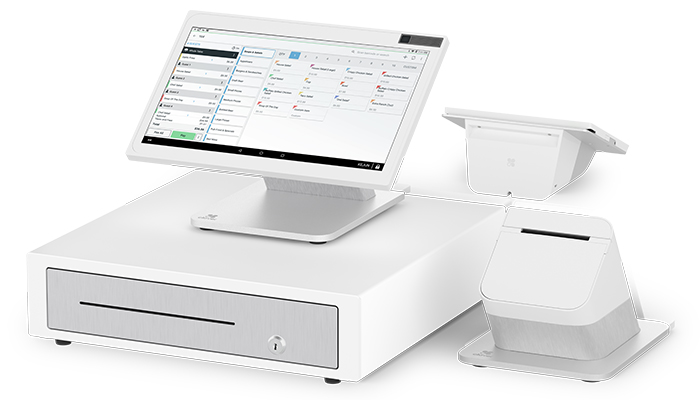
The right features in your POS can transform how you manage daily operations. From advanced reporting to intuitive table management, these tools are designed to simplify your workflow and boost efficiency.
One must-have feature is customizable menus. This allows you to update offerings quickly, ensuring your menu reflects seasonal changes or specials. Integrated payment options, including card reader support, streamline transactions and reduce errors at checkout.
Effective table management is another critical component. Features like drag-and-drop floor plans help staff optimize seating arrangements, reducing wait times and improving customer satisfaction. Real-time updates ensure your team stays informed, even during busy shifts.
A robust management module is essential for coordinating orders, inventory, and staff schedules. Automated notifications alert you to low stock levels, while advanced reporting provides insights into sales trends and performance metrics.
For the best pos experience, look for systems with real-time analytics. These tools help you make data-driven decisions, from adjusting staffing levels to identifying popular menu items. By leveraging these features, you can streamline operations and enhance profitability.
For example, restaurants using integrated card reader solutions report faster transaction times and fewer errors. Similarly, those with advanced table management tools see improved turnover rates and happier customers.
Investing in a POS system with these features ensures your restaurant runs smoothly. It simplifies tasks, improves accuracy, and helps you deliver exceptional service. Start exploring the best pos options for your needs today.
Technology Trends in Modern POS Systems
Staying ahead in the restaurant industry means embracing the latest tech innovations. Modern pos terminals are now more user-friendly and feature-rich than ever. These devices combine sleek designs with advanced functionalities, making them essential tools for efficient operations.
Cloud-based pos software is transforming how restaurants manage their data. With real-time access to sales, inventory, and customer insights, you can make smarter decisions from anywhere. This flexibility is especially valuable for multi-location businesses.
Mobile apps are another game-changer. They allow staff to take orders and process payments directly at the table, reducing wait times and improving customer satisfaction. These apps also integrate seamlessly with your main pos, ensuring smooth data flow.
Today’s pos systems offer a wide range of capabilities. From online ordering to detailed reporting, these tools streamline every aspect of your business. Advanced analytics provide actionable insights, helping you optimize menus and reduce waste.
Cost models are also evolving. Many providers now offer flexible subscription plans, often charged per month. This approach makes it easier to budget and scale your operations as your business grows.
Adopting these trends is essential for staying competitive. By leveraging modern pos technology, you can enhance efficiency, improve customer experiences, and drive long-term success.

Comparing Different Restaurant POS Models
Choosing the right POS model for your restaurant can make or break your operational efficiency. With so many options available, understanding the differences in pricing, features, and scalability is crucial. Let’s dive into the key factors to consider when comparing these models.
Entry-level systems often come with basic features and lower upfront costs. These are ideal for small cafes or food trucks with limited budgets. However, they may lack advanced tools like detailed reporting or integrated card processing. On the other hand, advanced models offer comprehensive solutions but come with higher per month fees.
Some providers offer free plans with optional add-ons. For example, you might pay extra for premium features like loyalty programs or advanced analytics. While these plans can save money initially, the additional per month costs can add up over time.
Processing fees are another critical factor. High-volume restaurants should look for models with lower processing fees to maximize profits. For instance, some systems charge a flat rate, while others have variable fees based on transaction type. Understanding these differences can help you choose a model that aligns with your budget.
Scalability is essential for growing businesses. A system that works for a small café may not meet the needs of a multi-location chain. Look for models that allow you to add terminals or upgrade features as your business expands. This ensures your POS can grow with you.
When selecting a POS model, consider your business goals and operational needs. Whether you prioritize cost savings, advanced features, or scalability, the right choice can streamline your operations and boost profitability. Take the time to compare options and find the best fit for your restaurant.
User Experience and Interface Design in POS Systems
A seamless user experience can make or break your restaurant’s efficiency. A well-designed pos terminal minimizes training time, allowing your staff to focus on delivering exceptional service. Intuitive interfaces reduce errors and speed up order processing, ensuring a smooth workflow even during peak hours.
An easy-to-navigate app is another critical feature. It allows staff to take orders and process payments directly at the table, improving accuracy and reducing wait times. This not only enhances the customer experience but also boosts overall productivity.
Robust management tools within the interface are essential for coordinating tasks. Features like real-time updates and low-stock alerts help you stay on top of inventory and staffing needs. These tools streamline operations, ensuring your team can handle busy shifts with ease.
Real-world examples show how a well-designed interface improves staff adoption. Restaurants with user-friendly pos terminals report faster onboarding and fewer errors. This leads to happier employees and satisfied customers, driving long-term success.
When choosing a system, prioritize one that connects backend operations and front-of-house tasks seamlessly. A cohesive design ensures smooth data flow and enhances overall efficiency. By focusing on user experience, you can transform your restaurant’s operations and deliver exceptional service.
Cost Considerations and Pricing Models
Budgeting for a POS system involves more than just upfront expenses. Understanding the various pricing models and their long-term implications is essential for your restaurant’s financial health. Let’s explore the key factors to consider when evaluating costs.
Most providers offer subscription plans, often charged per month. Flat fee models provide predictable costs, while tiered plans allow you to scale features as your business grows. For example, basic plans may start at $29.99, while advanced options can reach $200 or more per month.
Additional expenses like card machine setups and transaction fees can impact your budget. Hardware costs, including terminals and printers, often range from $800 to $1,000 per workstation. Payment processing fees typically add 1.5% to 3.5% per transaction, so it’s crucial to factor these into your calculations.
Fixed costs, such as monthly subscriptions, are easier to budget for compared to variable expenses like transaction fees. Small restaurants may prefer flat fee models, while larger establishments might benefit from tiered plans that offer scalability.
Transparent pricing simplifies financial planning. Look for providers that clearly outline all costs, including hardware, software, and processing fees. This ensures you avoid unexpected expenses and can allocate resources effectively.
When choosing a model, assess your business needs and growth potential. For example, a small café might opt for a basic plan with minimal hardware, while a multi-location chain may require advanced features and multiple card machines. By understanding your options, you can select a pricing model that aligns with your goals and budget.
Data Security and Compliance in POS Software
Protecting sensitive data is a top priority for any restaurant using modern technology. With the rise of digital transactions, ensuring the security of customer information is critical. A reliable pos software safeguards financial data and builds trust with your patrons.
Modern pos software includes advanced security features like end-to-end encryption and secure payment processing. These tools ensure that sensitive data, such as credit card details, is protected from unauthorized access. Compliance with standards like PCI DSS is mandatory, helping you avoid hefty fines and legal issues.
Effective management tools monitor security compliance in real time. They alert you to potential vulnerabilities and ensure your system stays up-to-date with the latest patches. Regular backups and employee training further strengthen your defenses against data breaches.
The integration of software hardware plays a vital role in creating a secure and reliable system. For example, EMV technology reduces card-present fraud by 76%, making it a must-have for restaurants. Secure hardware components, like encrypted card readers, add an extra layer of protection.
When evaluating a pos software, consider its security certifications and features. Look for systems that offer real-time monitoring, regular updates, and robust encryption. By prioritizing data security, you can protect your service reputation and ensure long-term success.
Investing in secure software hardware solutions not only safeguards your business but also enhances customer trust. With the right tools, you can focus on delivering exceptional service while keeping sensitive data safe.
Integrating POS with Other Restaurant Systems
Integrating your restaurant’s tools can transform how you manage daily operations. A pos system that connects with inventory, reservation, and online ordering platforms creates a unified management experience. This seamless integration ensures real-time updates, reducing errors and saving time.
One major benefit is improved inventory tracking. When your pos system syncs with inventory management tools, you can monitor stock levels automatically. This reduces waste and ensures you always have the ingredients needed to fulfill orders.
Streamlined orders are another advantage. For example, Toast POS allows menu changes to sync instantly with online ordering platforms like DoorDash. This eliminates manual updates and ensures accuracy, even during busy shifts.
Choosing a pos system that integrates well with third-party applications is crucial. Look for systems like Square or TouchBistro, which offer compatibility with popular tools. This flexibility ensures you can adapt as your business grows.
Effective integration also reduces administrative tasks. Automating processes like order entry and inventory updates frees up your team to focus on customer service. This leads to smoother operations and happier customers.
When selecting a system, consider its compatibility with your existing tools. A well-integrated pos system can enhance efficiency, reduce errors, and improve overall performance. Start exploring options that fit your unique needs today.
Optimizing Order Management with Advanced POS Tools
Efficient order management is the backbone of a smooth dining experience. Advanced pos tools can transform how you handle orders, from taking them to processing transactions seamlessly. These tools reduce errors, speed up service, and enhance customer satisfaction.
One standout feature is digital order queues. They ensure that every order is accurately recorded and sent to the kitchen in real time. This eliminates manual errors and keeps your workflow smooth, even during peak hours.
Real-time transaction analytics are another game-changer. They provide insights into sales trends and payment patterns, helping you make data-driven decisions. For example, you can identify popular menu items or optimize staffing levels based on demand.
Centralized order management tools unify online and offline channels. This ensures consistency across platforms, whether customers are dining in or ordering through an app. It also simplifies inventory tracking, reducing waste and ensuring you always have what you need.
Automation is key to improving efficiency. Tools like automated payment processing reduce manual tasks, allowing your staff to focus on delivering exceptional service. This not only speeds up operations but also enhances the overall dining experience.
When selecting a pos tool, prioritize systems with robust order management capabilities. Look for features like real-time updates, customizable menus, and seamless integration with third-party platforms. These tools ensure your restaurant runs smoothly and stays competitive.
Point Of Sale Systems For Restaurants
Transforming your restaurant’s workflow starts with the right tools. A dedicated pos system can redefine how you manage daily operations, from order processing to inventory tracking. These tools are designed to simplify tasks, improve accuracy, and enhance customer satisfaction.
One of the standout features is inventory management. With real-time updates and low-stock alerts, you can reduce waste and ensure you always have what you need. This not only saves money but also keeps your restaurant running smoothly.
Modern restaurant pos systems also offer online ordering capabilities. This allows customers to place orders directly from their devices, boosting convenience and sales. Integrated payment options streamline transactions, reducing errors and improving efficiency.
Flexibility and scalability are key advantages of today’s pos system. Whether you’re managing a small café or a multi-location chain, these tools can grow with your business. Features like customizable menus and real-time analytics ensure you stay competitive in a fast-paced industry.
When comparing different models, consider factors like pricing, features, and processing fees. Entry-level systems are ideal for small businesses, while advanced models offer comprehensive solutions for larger establishments. Understanding these differences helps you choose the right fit for your needs.
As you explore the benefits of a pos system, it’s important to consider the balance between software and hardware. The right combination can enhance efficiency, improve security, and deliver exceptional service. Stay tuned as we dive deeper into this topic in the next section.
Software Versus Hardware: What Suits Your Business?
Finding the right balance between software and hardware is crucial for your restaurant’s success. Both components play vital roles in a POS solution, and understanding their differences can help you make an informed decision.
Software is the brain of your system, handling tasks like order management, inventory tracking, and reporting. It’s flexible, scalable, and often cloud-based, allowing you to access data from anywhere. On the other hand, hardware includes physical devices like terminals, card readers, and printers. It’s reliable and ensures smooth day-to-day operations.
When business looking to invest, consider the latest hardware innovations. Modern terminals are sleek, durable, and designed for high-volume environments. They reduce errors and speed up transactions. However, robust software offers advanced features like real-time analytics and integration with third-party apps, making it a powerful tool for growth.
Practical considerations are also important. Ease of installation, upgradability, and long-term support should guide your decision. For example, cloud-based software is easy to update, while modular hardware allows you to add components as your business expands.
Ultimately, the right solution depends on your operational complexity. Small cafes may prioritize affordable hardware, while larger restaurants might benefit from feature-rich software. By understanding your needs, you can strike the perfect balance and optimize your restaurant’s performance.
Industry Trends Shaping the Future of Restaurant POS
The future of restaurant operations is being reshaped by cutting-edge technology. Emerging trends in pos systems are transforming how businesses manage orders, transactions, and customer experiences. Staying ahead of these innovations is key to maintaining a competitive edge in the fast-paced food industry.
One major trend is the rise of cloud-based pos solutions. These systems offer real-time data access, making it easier to manage multiple locations and streamline operations. With over 50% of the market now using cloud-based pos, this technology is becoming the standard for modern restaurants.
Automation is another game-changer. Self-service kiosks and mobile ordering are gaining traction, allowing customers to take control of their dining experience. These features not only improve efficiency but also reduce costs by minimizing manual errors and labor expenses.
Predictive analytics is revolutionizing how restaurants operate. By analyzing sales trends and customer behavior, pos systems can help you make data-driven decisions. This leads to better inventory management, optimized staffing, and personalized promotions that boost customer loyalty.
Integration is also a key focus. Modern pos systems are evolving into central hubs, connecting with CRM tools, accounting software, and third-party delivery platforms. This seamless integration ensures smooth operations and enhances overall efficiency.
As the industry evolves, staying updated with these trends is essential. By adopting advanced pos solutions, you can streamline your operations, reduce costs, and deliver exceptional service. Embrace these innovations to ensure your restaurant thrives in the years to come.
Implementation and Staff Training for POS Systems
Implementing a new POS system in your restaurant can be a game-changer for efficiency and customer satisfaction. To ensure a smooth transition, start with a clear plan. This includes setting up hardware, configuring software, and migrating data from your old system. A well-structured approach minimizes downtime and keeps operations running smoothly.
Staff training is equally critical. Begin with hands-on sessions to familiarize your team with the system’s features. Focus on role-specific tasks, such as order-taking for servers and payment processing for cashiers. This tailored approach ensures everyone understands their responsibilities and reduces confusion.
Create a detailed training plan that includes multiple sessions. Use a mix of instructional videos, live demonstrations, and practice accounts. This allows employees to explore the system without fear of mistakes. Regular follow-ups and refresher courses help reinforce learning and address any challenges.
Ongoing support is essential for long-term success. Choose a provider that offers 24/7 assistance and regular software updates. This ensures your team can troubleshoot issues quickly and stay updated on new features. A reliable support system also boosts staff confidence and encourages efficient system usage.
Before committing to a new system, evaluate the vendor’s training materials and support options. Look for comprehensive resources like FAQs, knowledge bases, and cloud storage for easy access. A provider that invests in your team’s success is a valuable partner in your restaurant’s growth.
By focusing on implementation and training, you can maximize the benefits of your POS system. A well-trained team ensures smoother operations, faster service, and happier customers. Start your journey toward efficiency today.
Adopting the Right POS Solution for Your Unique Needs
Your restaurant’s success hinges on choosing a solution that aligns with your specific needs. Start by assessing your operational challenges. Are you struggling with inventory tracking or managing high order volumes? Identifying these pain points helps you find the right fit.
Next, match specific features like online ordering or inventory management with your business demands. For example, a cloud-based solution offers real-time updates, ideal for multi-location operations. This ensures you stay on top of stock levels and customer preferences.
Evaluate different options based on scalability and customization. A small café might prioritize affordability, while a larger establishment may need advanced analytics. Look for a solution that grows with your business and adapts to changing needs.
Consider factors like dining style, order volume, and staff proficiency. A quick-service restaurant benefits from user-friendly interfaces, while fine dining establishments may require robust table management features like drag-and-drop floor plans.
Finally, make an informed decision by testing the solution before committing. Many providers offer free trials or demos, allowing you to explore the system’s capabilities. Choose a option that supports your long-term objectives and enhances efficiency.
By adopting the right solution, you can streamline operations, reduce costs, and deliver exceptional service. Start your journey toward a more efficient and profitable business today.
Conclusion
Enhancing your service restaurant starts with the right tools and strategies. Modern pos solutions streamline operations, from inventory tracking to order management. These systems reduce errors, save time, and boost profitability.
Key features like real-time updates and integrated customer loyalty programs help you stay competitive. By automating tasks, you can focus on delivering exceptional service. This leads to happier customers and increased repeat business.
Choosing the right pos system ensures it fits your unique needs. Whether you’re managing a small café or a multi-location chain, scalability and customization are essential. Advanced tools like predictive analytics and cloud-based solutions keep you ahead of industry trends.
Brilliant POS offers tailored solutions to optimize your operations. From reducing card processing fees to enhancing customer loyalty, their systems are designed for success. Take the next step today and transform your service restaurant into a well-oiled machine.