
Top Point of Sale Systems for Restaurants
Have you ever felt overwhelmed by the daily challenges of running your restaurant? Managing orders, tracking inventory, and ensuring excellent service can be exhausting without the right tools.
Brilliant POS offers top-of-the-line POS for Restaurants, designed to streamline operations and enhance customer service. Our advanced systems are tailored to meet the unique needs of the restaurant industry, helping you manage orders, payments, and inventory effortlessly. Along with cutting-edge Restaurant POS Software, Brilliant POS provides an intuitive, easy-to-use platform that integrates seamlessly into your business. With our solutions, you can improve efficiency, reduce errors, and ultimately boost your restaurant’s profitability. Let Brilliant POS elevate your dining experience today!
Running a restaurant today requires more than just great food and service. It demands efficiency, accuracy, and seamless operations. That’s where a modern restaurant pos system comes into play. These tools are designed to simplify your daily tasks, from managing orders to tracking inventory, ensuring your business runs smoothly.
Market trends show that leading providers like Square and Toast offer flexible pricing and advanced features. For example, Square’s basic plan starts at $0 per month, while Toast provides 24/7 customer support, making them popular choices for many establishments. These systems not only save time but also improve customer experiences by reducing errors and speeding up service.
Choosing the right pos system can make all the difference in your restaurant’s success. Whether you’re a small café or a full-service restaurant, there’s a solution tailored to your needs. Brilliant POS is one such option, offering tools to help you streamline operations and focus on what matters most—your customers.
Understanding Restaurant POS Systems
Efficiency and accuracy are the backbone of any successful restaurant operation. A restaurant pos system is a tool designed to streamline tasks like order management, payment processing, and inventory tracking. It’s not just about technology—it’s about creating a smoother experience for both staff and customers.
There are different types of pos systems to consider. Legacy systems are traditional, often requiring on-site hardware. Cloud-based options, on the other hand, offer flexibility and remote access. Mobile and tablet-based systems are ideal for on-the-go operations, making them perfect for food trucks or outdoor events.
Key features to look for include ease of use, integration with other tools, and robust reporting capabilities. These features help you make informed decisions, track sales trends, and manage staff performance effectively. With the right system, you can reduce errors, speed up service, and improve overall efficiency.
In 2023, 76% of restaurants adopted cloud-based solutions, highlighting their growing popularity. These systems automate tasks, reduce labor costs, and enhance customer experiences. Whether you’re running a small café or a bustling eatery, the right pos system can transform how you operate.
When choosing a restaurant pos system, consider what’s indispensable for your business. Look for features that align with your needs, such as payment flexibility, inventory management, and customer relationship tools. The right choice can make all the difference in your restaurant’s success.
How Modern POS Systems Enhance Efficiency
Modern technology is reshaping how restaurants operate, making efficiency a top priority. With advanced tools, you can streamline tasks, reduce errors, and improve service speed. These systems are designed to handle everything from order management to payment processing, ensuring your business runs smoothly.
One of the biggest advantages is faster service. Integrated ordering and payment processes cut down wait times, enhancing the customer experience. For example, mobile tools allow staff to take orders and process payments tableside, boosting operational speed by up to 25%.
Real-life examples show the impact of these upgrades. Restaurants using modern tools report fewer order errors and quicker table turnover. This not only improves satisfaction but also increases revenue. With better planning and real-time data, you can make informed decisions that drive growth.
Adopting these systems also creates a smoother workflow. Automated inventory tracking reduces waste, while smart scheduling optimizes labor costs. These features help you focus on what matters most—delivering exceptional service to your customers.
In a competitive industry, staying ahead means embracing innovation. Modern tools give you the edge by improving efficiency, reducing costs, and enhancing the overall dining experience. Investing in the right solution can transform how your business operates, setting you up for long-term success.
Point Of Sales Systems For Restaurants: In-Depth Analysis
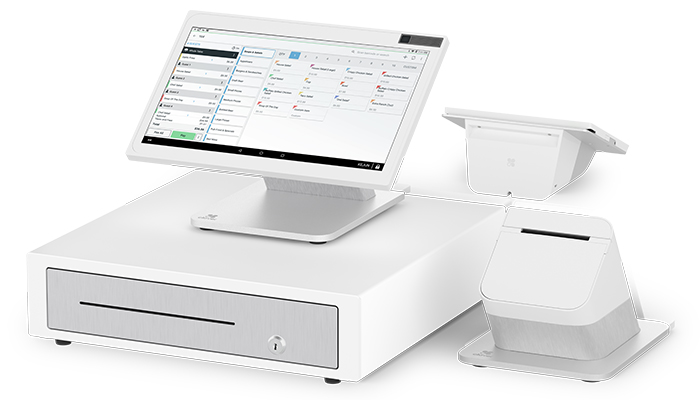
The right tools can transform how your restaurant handles daily operations. A point sale system’s performance depends heavily on its payment functionalities and hardware components. These elements work together to ensure smooth transactions and efficient service.
Modern systems support various payment methods, including contactless options, which 60% of customers prefer. This not only speeds up transactions but also enhances satisfaction. For example, Square POS integrates seamlessly with mobile wallets, making it a popular choice for quick-service restaurants.
Your hardware setup also plays a critical role. Kitchen Display Systems (KDS) can boost order accuracy by 30%, reducing errors and improving efficiency. Additionally, offline capabilities ensure uninterrupted service during peak hours, a feature 85% of full-service restaurants find essential.
Case studies show that restaurants using advanced tools like Toast’s dynamic order throttling see a 25% improvement in table turnover rates. These systems are designed to handle high-volume operations, ensuring reliability even during busy shifts.
When choosing a system, consider its technical specifications. Features like real-time inventory tracking and employee performance analytics can help you make data-driven decisions. With the right tools, you can streamline operations, reduce waste, and focus on delivering exceptional service.
Key Hardware and Software Features
The success of your restaurant hinges on the tools you use to manage daily operations. A modern setup combines reliable hardware and intuitive software to streamline tasks and boost efficiency. From order processing to inventory tracking, the right features can transform how you run your business.
When it comes to hardware, touchscreen terminals and kitchen display systems are essential. These tools reduce errors and speed up service, ensuring a smoother workflow. For example, a Kitchen Display System (KDS) can improve order accuracy by up to 30%, making it a must-have for busy kitchens.
On the software side, look for advanced management features like real-time inventory tracking and detailed reporting. These tools help you stay on top of stock levels and make data-driven decisions. With integrated payment processing, you can also reduce transaction times by 25%, enhancing the customer experience.
Seamless integration between hardware and software is crucial. For instance, mobile tools allow staff to take orders and process payments tableside, boosting operational speed. This integration not only improves efficiency but also reduces labor costs, giving you more control over your budget.
Investing in the right technology can redefine how your restaurant operates. With superior features, you can streamline tasks, reduce waste, and focus on delivering exceptional service. The right tools are more than just an expense—they’re an investment in your restaurant’s future success.
User Experience and Intuitive Interfaces
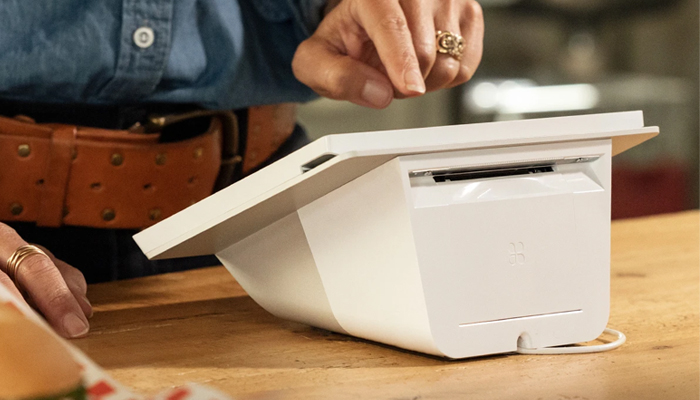
The design of your restaurant’s tools can make or break daily operations. An intuitive interface simplifies training, allowing your staff to focus on delivering exceptional service. Modern solutions with user-friendly designs reduce errors and speed up transactions, ensuring smoother operations month by month.
Testing data shows that touchscreen interfaces improve performance by 25%. These tools are easy to navigate, even during peak hours. For example, Rezku’s interface trains staff in just 10 minutes, boosting efficiency from day one.
An intuitive design also minimizes mistakes. With clear menus and straightforward workflows, your team can process orders faster. This reduces wait times and enhances the overall dining experience for your customers.
When choosing a solution, prioritize user experience. A well-designed interface not only simplifies tasks but also keeps your staff motivated. This leads to better performance and higher customer satisfaction over time.
Investing in the right tool ensures your restaurant runs smoothly. With an intuitive interface, you can streamline operations, reduce errors, and focus on what matters most—your customers.
Inventory Management and Reporting Tools
Effective inventory management is the cornerstone of a thriving restaurant business. By leveraging advanced tools, you can reduce waste, control costs, and make data-driven decisions that boost profitability. Modern solutions offer real-time tracking, detailed reporting, and seamless integration with other operational tools.
Sophisticated inventory features help you optimize stock levels and minimize over-ordering. For example, Oracle’s Simphony Point of Sale uses sales forecasts and PAR levels to suggest reordering, ensuring you never run out of essentials. This not only reduces waste but also lowers your overall pricing costs.
Comprehensive reporting tools provide actionable insights into daily operations. You can track food waste, monitor product usage, and identify variances in projected costs. These insights empower you to adjust your pricing strategies and negotiate better deals with vendors, ultimately improving your bottom line.
The interplay between inventory modules and fee structures is another critical factor. Systems like Simphony offer cost reports that compare actual versus theoretical expenses, helping you optimize menu pricing and control COGS. This level of detail ensures you’re always in control of your finances.
By adopting these tools, you can streamline operations, reduce waste, and focus on delivering exceptional service. The right inventory and reporting features are more than just tools—they’re a strategic investment in your restaurant’s long-term success.
Advanced Analytics for Profitability
Harnessing the power of advanced analytics can unlock new levels of profitability for your restaurant. Modern tools provide real-time insights into key performance indicators, helping you make informed decisions that drive growth. By leveraging detailed sales metrics and card payment data, you can identify trends and optimize operations.
Real-time datum is a game-changer. Platforms like Oracle and Square offer dashboards that track everything from inventory levels to customer preferences. This allows you to adjust strategies on the fly, reducing waste and improving efficiency. For example, Square’s analytics can highlight which menu items are most profitable, enabling you to focus on high-margin offerings.
Detailed reporting also plays a crucial role. By analyzing card transactions and sales patterns, you can uncover opportunities to upsell or cross-sell. This not only boosts revenue but also enhances the customer experience. Real-time alerts from tools like Oracle’s MICROS system ensure you never miss a critical update, from inventory shortages to labor cost thresholds.
Investing in advanced analytics tools is more than just a smart move—it’s a strategic advantage. With actionable insights at your fingertips, you can streamline operations, reduce costs, and focus on delivering exceptional service. The result? A more profitable, efficient, and customer-focused restaurant.
Integrating Online Ordering and Delivery
In today’s digital-first world, integrating online ordering and delivery into your restaurant’s operations is no longer optional—it’s essential. With 75% of Americans ordering food online weekly, adopting these tools can significantly boost efficiency and customer satisfaction.
Seamless integration between your in-house tools and online platforms ensures smoother workflows. For example, platforms like Square and Toast allow real-time synchronization of orders, reducing manual errors and speeding up service. This unified approach simplifies operations, whether you’re handling dine-in or delivery requests.
By merging online and traditional ordering systems, you can enhance your delivery capabilities. Restaurants using integrated solutions report faster turnaround times and improved accuracy. This not only boosts customer loyalty but also increases revenue by up to 800% in some areas.
Data-driven examples highlight the benefits. For instance, Declan Arty’s restaurant saw a 30% reduction in errors after integrating their tools with an online ordering platform. Such improvements are crucial in a competitive market where customer expectations are higher than ever.
Adopting these solutions is more than a trend—it’s a necessity. With mobile ordering projected to contribute 11% of quick-service sales, staying ahead means embracing innovation. The right tools streamline operations, reduce costs, and ensure your restaurant meets modern consumer demands.
Customization Options for Different Restaurant Types
Every restaurant has unique needs, and the right tools should adapt to them seamlessly. Customizable solutions allow you to tailor operations to your specific format, whether you run a food truck, a fine dining establishment, or a quick-service café. This flexibility ensures your provider can meet your exact requirements.
For example, cloud-based tools are ideal for small to mid-sized restaurants, offering lower upfront costs and scalability. On the other hand, traditional setups may suit high-volume establishments better. By choosing the right option, you can optimize workflows and reduce inefficiencies.
Real-world examples highlight the benefits of customization. A food truck using mobile tools saw a 20% increase in order accuracy, while a fine dining restaurant improved table turnover by 15% with integrated kitchen displays. These adaptations not only boost efficiency but also enhance customer satisfaction.
When evaluating a provider, consider their ability to adapt to your operational needs. Look for features like modular pricing, which allows you to pay only for what you use. This approach ensures you get the best value without unnecessary expenses.
Customizable tools are more than just a convenience—they’re a strategic investment. By selecting a solution that grows with your business, you can stay competitive and focus on delivering exceptional experiences. The right option can make all the difference in your restaurant’s success.
Security and Compliance Considerations
Ensuring the safety of customer data is a top priority for any restaurant. With sensitive information like payment details at stake, robust security measures are non-negotiable. A secure processing system protects your business from breaches and builds trust with your customers.
Modern tools must adhere to strict compliance standards, such as PCI DSS, to safeguard data. These regulations ensure that all transactions are encrypted, reducing the risk of fraud. For example, platforms like Square and Toast use advanced encryption protocols to keep your data safe.
Your experience with a system should never compromise security. Leading providers balance user-friendly interfaces with top-tier protection. This ensures smooth operations while keeping sensitive information secure. For instance, Clover’s hardware includes built-in encryption, offering both convenience and safety.
Technical and operational needs drive the demand for secure solutions. Features like tokenization and secure login protocols are essential for protecting customer data. These tools not only enhance security but also streamline processing, making your operations more efficient.
When choosing a system, prioritize security as a non-negotiable factor. The right solution will protect your business, enhance the customer experience, and ensure compliance with industry standards. Investing in a secure system is an investment in your restaurant’s future success.
Comparing POS Systems: Features and Benefits
Choosing the right tools for your business can significantly impact efficiency and customer satisfaction. With so many options available, it’s essential to compare features and benefits to find the best pos solution for your needs. Whether you’re running a small café or a multi-location chain, the right choice can streamline operations and enhance the dining experience.
Leading tools like Square, Toast, and Clover offer unique advantages. Square is known for its simplicity and flexibility, making it ideal for small businesses. Toast, on the other hand, provides advanced features tailored for full-service restaurants. Clover stands out with its customizable hardware and software, catering to diverse operational needs.
System design plays a crucial role in the user experience. Intuitive interfaces reduce training time and minimize errors, ensuring smoother workflows. For example, Rezku’s interface trains staff in just 10 minutes, boosting efficiency from day one. Features like touchscreen terminals and mobile ordering tools further enhance usability, especially during peak hours.
Location-specific requirements also influence your choice. Food trucks benefit from mobile-friendly tools that operate offline, while multi-location businesses need scalable solutions with centralized reporting. By selecting a system that adapts to your location, you can optimize operations and reduce inefficiencies.
Detailed comparisons help you make informed decisions. Look for tools that offer robust reporting, seamless integration, and responsive customer support. For instance, Toast’s dynamic order throttling improves table turnover by 25%, while Square’s real-time analytics highlight profitable menu items.
Investing in the best pos solution is more than just a purchase—it’s a strategic decision. By evaluating features, design, and adaptability, you can choose a system that grows with your business and delivers exceptional results. The right tools ensure smoother operations, happier customers, and long-term success.
Scalability and Multi-Location Support
Expanding your restaurant to multiple locations demands tools that grow with your business. A scalable solution ensures smooth operations across all outlets, from managing staff to updating your menu. Without the right tools, growth can lead to inefficiencies and inconsistencies.
Centralized inventory management is a game-changer for multi-location operations. It allows you to track stock levels in real-time, reducing waste and preventing shortages. For example, AI-driven tools can cut food waste by 20%, saving costs and improving customer satisfaction.
Effective staff management is equally crucial. Automated scheduling tools optimize labor costs and reduce turnover. With real-time performance data, you can make informed decisions that enhance productivity across all locations.
Keeping your menu consistent is another challenge. Scalable tools allow for instant updates, ensuring every outlet serves the same offerings. This consistency builds trust and loyalty among your customers.
Real-life examples highlight the benefits. A multi-location chain using cloud-based tools saw a 25% improvement in operational efficiency. These systems provide centralized reporting, making it easier to monitor sales, labor costs, and inventory across all outlets.
Investing in a scalable solution is essential for long-term success. It streamlines operations, reduces costs, and ensures your business can handle growth. The right tools empower you to focus on delivering exceptional experiences, no matter how many locations you operate.
Cost and Budget Considerations
Understanding the financial aspects of your restaurant’s operations is crucial for long-term success. Investing in the right tools requires careful planning to balance upfront costs, monthly fees, and hidden expenses. By breaking down these factors, you can make informed decisions that align with your budget.
Upfront fees can vary widely, from $0 for basic setups to $700 for more complex installations. Monthly charges typically range from $50 to $200, depending on the features you need. Hidden costs, such as PCI compliance or integration fees, should also be factored into your budget.
Budget-friendly options don’t mean compromising on quality. Many providers offer scalable solutions that grow with your business. For example, cloud-based tools often have lower upfront costs and flexible pricing plans. This ensures your team can access essential features without overspending.
Time-saving support and training services can offset higher initial costs. Providers like Square and Toast offer 24/7 assistance, reducing downtime and improving efficiency. These resources save your team valuable time, allowing them to focus on delivering exceptional service.
Different pricing models cater to various needs. Subscription-based plans are ideal for small businesses, while enterprise-level solutions may require higher monthly fees. Understanding these models helps you choose a plan that maximizes value for your investment.
Cost-effectiveness is about finding the right balance between price, performance, and support. By evaluating your needs and comparing options, you can select a solution that enhances efficiency without breaking the bank. The right investment ensures your restaurant thrives in a competitive market.
Emerging Trends in POS Technology
The restaurant industry is evolving rapidly, driven by cutting-edge technology that enhances every aspect of operations. From payment processing to delivery integrations, these innovations are reshaping how restaurants serve their customers. Staying ahead of these trends can give your business a competitive edge.
One of the most significant shifts is the rise of contactless payments. With 70% of consumers preferring this method, adopting advanced payment processing tools is essential. Platforms like Square and Toast now support digital wallets, ensuring faster transactions and improved customer satisfaction.
Lower processing fees are another game-changer. Providers are offering competitive rates, allowing restaurants to save on transaction costs. For example, some systems now charge as little as 2.6% per swipe, making it easier to manage your budget while maintaining seamless operations.
Enhanced delivery integrations are also transforming the industry. Real-time synchronization between your POS and online platforms ensures smoother workflows. Restaurants using these tools report a 25% improvement in order accuracy and faster turnaround times, boosting both efficiency and revenue.
Data-driven insights are becoming indispensable. Modern systems provide real-time analytics, helping you track sales trends and optimize menu offerings. For instance, 60% of operators say these tools help them stay competitive by making informed decisions.
As you plan for the future, consider these trends. Investing in the latest technology not only streamlines operations but also enhances the customer experience. The right tools can position your restaurant for long-term success in an ever-changing industry.
How Brilliant POS Can Transform Your Restaurant Operations
Transforming your restaurant’s workflow starts with the right technology. Brilliant POS is designed to tackle the challenges you face daily, from managing your employee team to streamlining online ordering. With its advanced features, it’s more than just a tool—it’s a solution that drives operational excellence.
One of the standout features is its robust employee management system. Brilliant POS simplifies scheduling, tracks performance, and reduces turnover. This ensures your team operates efficiently, even during peak hours. Real-time data helps you make informed decisions, improving productivity across the board.
When it comes to online ordering, Brilliant POS integrates seamlessly with your existing platforms. This reduces manual errors and speeds up service. Restaurants using this feature report faster turnaround times and improved accuracy, boosting customer satisfaction and revenue.
The system’s comprehensive review and reporting capabilities are another game-changer. Detailed analytics provide insights into sales trends, inventory levels, and customer preferences. This data empowers you to optimize your menu, reduce waste, and increase profitability.
Brilliant POS also excels in support and integration. Its user-friendly interface ensures quick adoption, while 24/7 assistance minimizes downtime. Whether you’re a small café or a multi-location chain, it adapts to your needs, offering scalability and flexibility.
Consider Brilliant POS as a transformative solution for your restaurant. Its advanced features, seamless online ordering, and powerful review tools ensure smoother operations and happier customers. Investing in this system is an investment in your restaurant’s future success.
Conclusion
In a fast-paced restaurant environment, the right tools can make all the difference. Choosing a robust solution ensures smoother operations, happier customers, and increased profitability. From streamlined inventory management to advanced analytics, modern tools are transforming the industry.
Brilliant POS stands out as a game-changer. Its intuitive design and tableside capabilities enhance efficiency, reduce errors, and improve service speed. With features like real-time reporting and seamless integration, it’s tailored to meet your unique needs.
As the industry evolves, staying ahead means embracing innovation. Evaluate your current setup and consider upgrading to a solution like Brilliant POS. It’s not just a tool—it’s an investment in your restaurant’s long-term success.